Auto insurance is not one product — it's a stack of separate coverages, each protecting against a different kind of loss. Most drivers buy a bundle without fully understanding which coverage pays for what, when each one kicks in, or which add-ons are actually worth the money. This guide walks through every common auto insurance coverage type in 2026, what it covers, what it doesn't, when to add it, and what to expect for typical limits and costs in the United States.
Liability Coverage: Bodily Injury and Property Damage
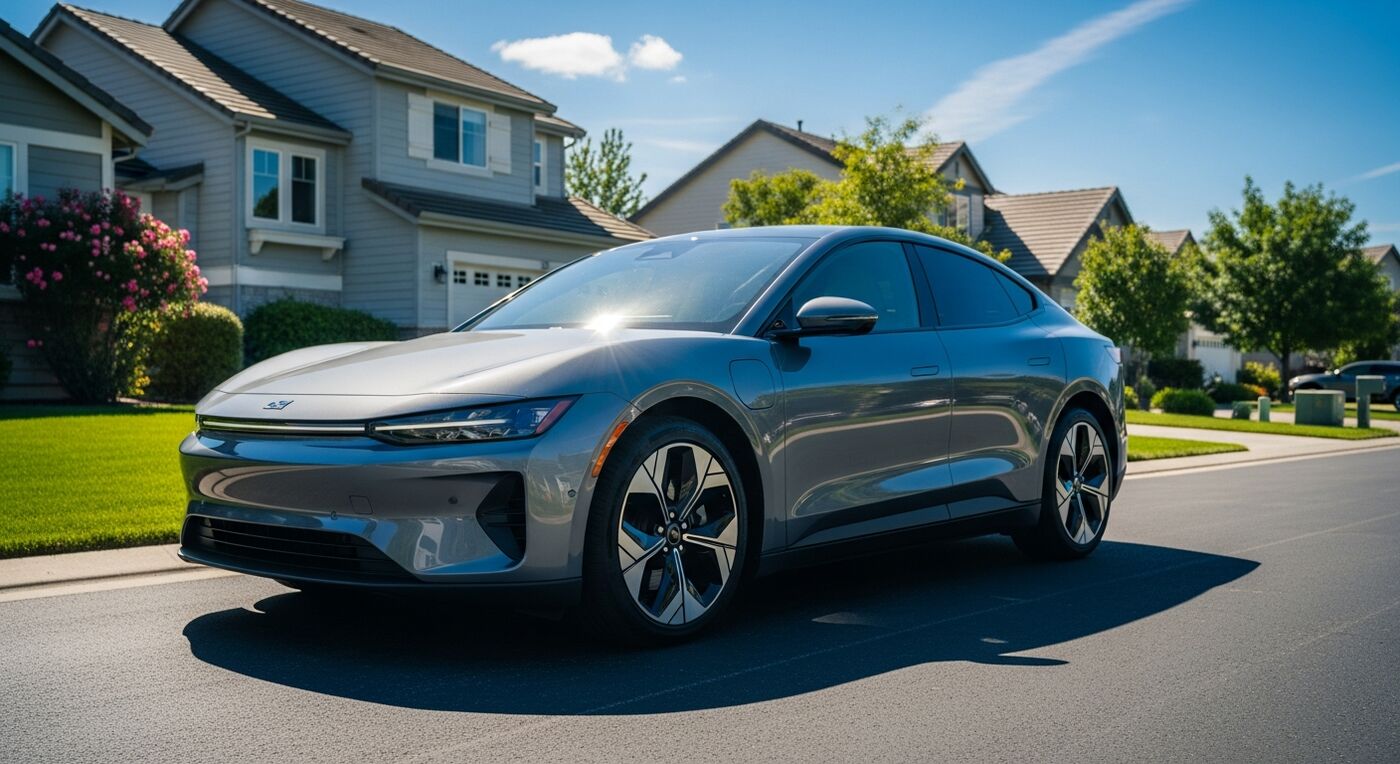
Liability is the foundation of every auto policy. It pays for damage and injuries you cause to other people when you're at fault in an accident. Almost every state requires it, and a typical policy lists liability limits as three numbers, like 100/300/100.
Bodily Injury Liability (BI)
Pays for medical bills, lost wages, pain and suffering, and legal defense if you injure someone else. The first two numbers (e.g., 100/300) are the limit per person and the limit per accident, in thousands of dollars.
- What it covers: Other drivers, passengers and pedestrians injured in an accident you caused.
- What it doesn't: Your own injuries or your passengers' injuries.
- Recommended limits: 100/300 at minimum; 250/500 if you have meaningful assets, plus an umbrella policy for high net worth.
Property Damage Liability (PD)
Pays to repair or replace other people's property — usually their vehicle, but also fences, mailboxes, buildings or anything else you damage in an at-fault accident.
- Recommended limits: At least $100,000. State minimums of $10,000-$25,000 are dangerously low when the average new vehicle costs over $48,000.
Collision Coverage
Collision pays to repair or replace your vehicle when you hit something — another car, a guardrail, a tree, a pothole — regardless of fault. It's optional in every state but required by lenders if you finance or lease.
- Deductible: Typically $250, $500, $1,000 or $2,500. Higher deductibles mean lower premiums.
- Payout limit: The actual cash value (ACV) of your vehicle minus depreciation, capped at the lower of repair cost or vehicle value.
- Skip it when: Your car's ACV is low enough that annual collision premiums exceed about 10 percent of the vehicle's value.
Comprehensive Coverage
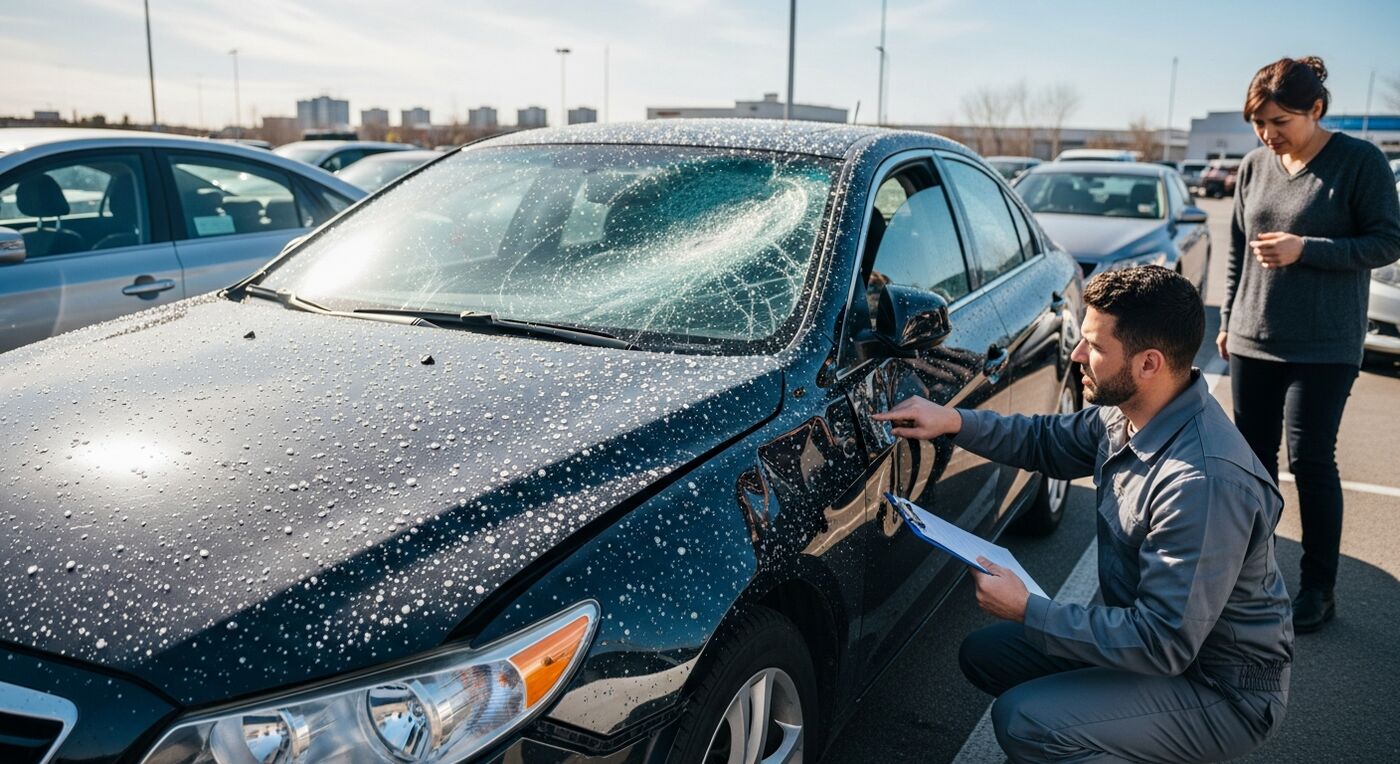
Comprehensive (sometimes called "other than collision") covers damage to your vehicle from non-collision events: theft, vandalism, hail, falling trees, fire, flood, animal strikes and broken glass.
- Deductible: Often lower than collision — $100 to $500 is common, with $0 glass-only deductibles available in some states.
- What it doesn't cover: Mechanical breakdown, normal wear and tear, or items stolen from inside the car (those fall under renters or homeowners insurance).
- Worth keeping when: You live in a hail-prone region, a high-theft ZIP code, or anywhere with frequent deer collisions.
Uninsured and Underinsured Motorist Coverage (UM/UIM)
Roughly one in eight U.S. drivers has no insurance at all, and many more carry only minimum limits. UM/UIM steps in when the at-fault driver can't pay.
- Uninsured Motorist Bodily Injury (UMBI): Covers your medical bills, lost wages and pain and suffering when an uninsured driver hits you.
- Underinsured Motorist Bodily Injury (UIMBI): Kicks in when an at-fault driver's liability limits aren't enough to cover your damages.
- UM/UIM Property Damage: Pays for damage to your vehicle when an uninsured driver is at fault. Optional in some states; in others, this role is filled by collision coverage.
UM/UIM is typically inexpensive (often $50-$150 a year) and is one of the highest-value coverages on the policy. Match your UM/UIM limits to your liability limits whenever possible.
Medical Payments Coverage (MedPay)
MedPay covers medical and funeral expenses for you and your passengers after an accident, no matter who's at fault. It's optional in most states and typically sold in $1,000-$25,000 increments.
- What it covers: ER visits, surgery, X-rays, dental, ambulance fees, even funeral costs.
- Where it shines: Filling deductibles and copays from your health insurance, or providing primary medical coverage if you're uninsured.
- Cost: Often $5-$15 a month for $5,000 of coverage.
Personal Injury Protection (PIP) and No-Fault Coverage
PIP is required in roughly a dozen no-fault states (including Florida, Michigan, New York, New Jersey, Pennsylvania, and others). It covers medical bills, lost income and certain other expenses for you and your passengers, regardless of fault.
- What's included: Medical care, rehabilitation, lost wages, replacement services (e.g., paying someone to do household tasks you can't), and survivor benefits.
- Limits: Vary widely by state — $10,000 in Florida, but unlimited lifetime medical in some Michigan policies.
- Coordinated vs. uncoordinated: Some states let you choose whether PIP or your health insurance pays first. Coordinated PIP can be 30-50 percent cheaper if you have solid health coverage.
Gap Insurance
If you total a financed or leased vehicle, your insurer pays its actual cash value — which is often less than what you still owe the lender. Gap insurance covers the difference.
- Who needs it: Anyone who put less than 20 percent down, financed for 60+ months, or leases their vehicle.
- Cost: Through your auto insurer, typically $20-$60 a year. Dealership gap coverage often runs $500-$1,000 upfront and is rarely the better deal.
- When you can drop it: Once your loan balance falls below the car's market value, usually 2-3 years in for most loans.
Rental Reimbursement Coverage
Rental reimbursement pays for a rental car while yours is in the shop after a covered claim. It's typically sold as a daily limit and a maximum total (e.g., $40 per day, up to $1,200 per claim).
- Cost: Usually $20-$60 a year per vehicle.
- When it pays: Only after a covered comprehensive or collision claim — not for routine maintenance.
- Skip it if: You have a second vehicle, easy access to public transit, or could comfortably absorb a week of rental costs.
Roadside Assistance and Towing
Roadside assistance covers towing, jump-starts, lockout service, flat-tire changes and emergency fuel delivery. Most carriers offer it as an inexpensive add-on (often $5-$20 per year per vehicle) that pairs cleanly with your existing policy.
- Compare with: AAA membership, your auto manufacturer's roadside program, or roadside assistance bundled with newer credit cards.
- Watch for: Towing distance limits and per-incident caps that vary by carrier.
New Car Replacement and Better Car Replacement
Standard collision pays the depreciated value of your totaled car. Some carriers offer upgrades that pay more:
- New Car Replacement: If your new vehicle is totaled within the first 1-2 years (or first 15,000-24,000 miles), the insurer pays for a brand-new equivalent rather than depreciated ACV.
- Better Car Replacement: Pays for a model-year newer than yours, regardless of vehicle age.
These add-ons are common at carriers like Liberty Mutual and Erie. They're worth considering for new car buyers but rarely necessary on used vehicles.
Custom Equipment and Aftermarket Parts Coverage
Standard policies cover only a small amount of aftermarket equipment — typically $1,000 to $1,500. If you've added a custom stereo, lift kit, wheels, paint job, wheelchair ramp or commercial-grade racks, you'll want to schedule those modifications for additional coverage.
- Documentation: Save receipts and photos of all custom work.
- Limit options: Typically $5,000 to $10,000 in additional coverage, often less than $50 per year.
Rideshare Coverage
Personal auto policies generally exclude coverage when you're driving for hire. If you drive for Uber, Lyft, DoorDash, Instacart, Amazon Flex or similar platforms, you have a coverage gap.
- Period 1 (app on, no passenger/order): The platform usually provides only liability. Your personal policy may exclude coverage entirely.
- Periods 2 and 3 (en route to pickup or with passenger/order): The rideshare company's commercial policy covers liability, often with a high deductible for collision/comprehensive.
- Solution: Add a rideshare endorsement to your personal policy. Most major insurers offer it for $10-$25 per month, far cheaper than full commercial auto coverage.
Building the Right Coverage Stack
Most drivers do well with a coverage stack that looks something like this:
- Liability: 100/300/100 minimum, higher with assets
- UM/UIM: Match your liability limits
- Collision and comprehensive: Keep while the car is financed and while its ACV is meaningful
- MedPay or PIP: At your state's required level, plus a small buffer
- Gap: While you owe more than the car is worth
- Roadside and rental: Optional, based on your situation
- Rideshare endorsement: Required if you drive for any platform
The "right" mix depends on your assets, vehicle age, household drivers and how much risk you can absorb out of pocket. Review the full list at every renewal — coverage needs change as cars age, balances drop and life situations evolve.
The Bottom Line
Auto insurance only feels complicated until you see it as a stack of separate, single-purpose coverages. Liability protects other people from you, collision and comprehensive protect your vehicle, UM/UIM and MedPay/PIP protect your body and wallet from other drivers, and the optional add-ons fill specific gaps based on how and what you drive.
Once you understand each piece, you can build a policy that protects you against catastrophic risk without overpaying for coverage you don't actually need.
Related Articles

Liability vs. Full Coverage: Which Do You Need?
The real difference between liability-only and full coverage, when each makes sense, and the math on dropping collision and comprehensive.
Comprehensive vs. Collision Coverage
What each coverage actually pays for, common claim examples for both, and how to pick deductibles that balance cost and risk.
State Minimum Auto Insurance Requirements
A state-by-state breakdown of minimum auto insurance limits, why minimums are rarely enough, and how to set the right liability targets.